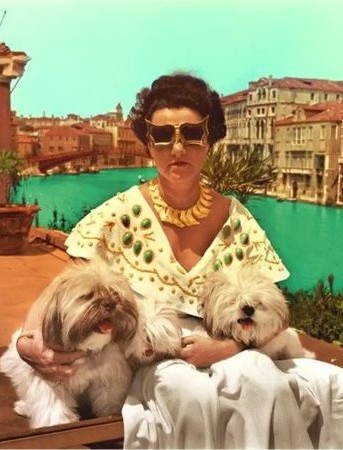
Describing herself by writing, “I am a museum”, Peggy Guggenheim’s life took a clear path, from setting up a commercial gallery in London, going on a single-minded shopping trip to Paris in the late 1930’s even as the German tanks were rolling in to the suburbs, to escape (with her selection of European artists) to […]
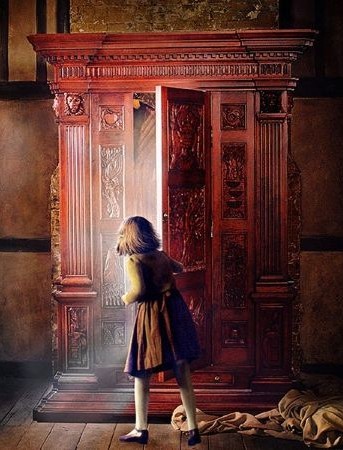
When Lucy goes through the wardrobe into Narnia, when Harry Potter opens his letter and when Neo takes the red pill, they all discover that the worlds they thought they knew are only part of the truth. From Plato onwards, writers and artists have been inspired to push beyond the everyday and to create other […]
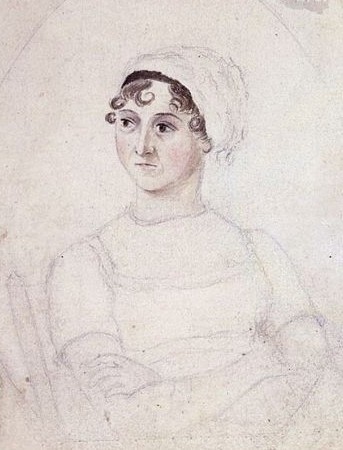
Jane Austen’s novels are often characterised as lightweight romances dealing in trivialities and portraying a limited social sphere, reflecting the constricted circumstances of the author’s own life. This lecture offers an alternative reading, suggesting Austen is not interested in romance but moral challenge, not a mild spinster but a social commentator of contemporary relevance. Mary […]
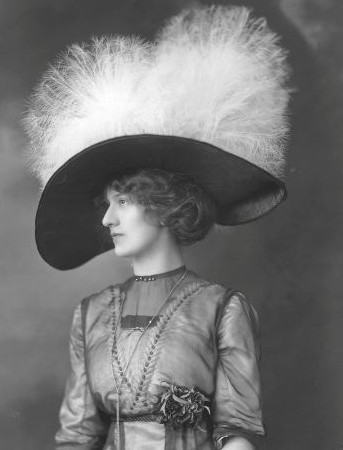
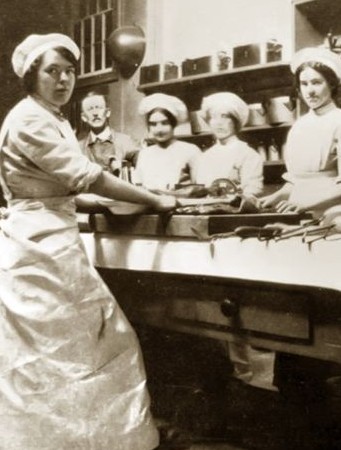
Working as a housekeeper was one of the most prestigious jobs a 19th and early 20th century woman could want, and also one of the toughest. A far cry from the Downton Abbey fiction, the real-life housekeeper was up against capricious mistresses, low pay, no job security and gruelling physical labour. Until now, her story […]
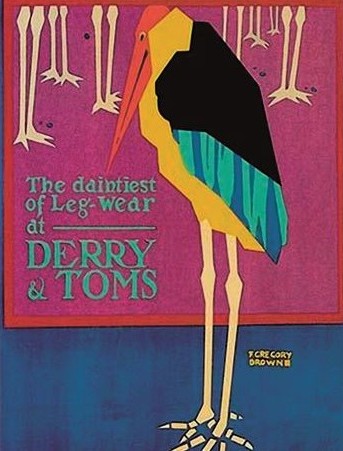
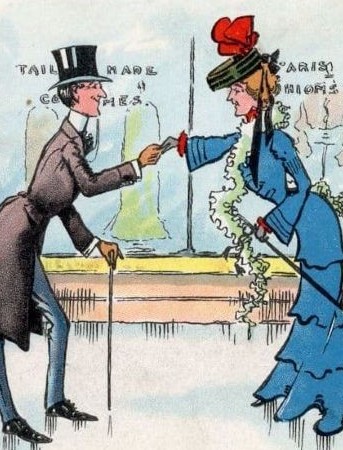
This varied and fascinating day brings to life the untold stories behind objects, institutions and ‘invisible’ people of the Victorian and Edwardian eras. London’s sumptuous department stores or ‘cathedrals of desire’ saw consumerism reach ever more frenzied levels until the natural world began to suffer. Dates and Locations Thursday 6 August 2026 Chatswood (NSW) Click […]
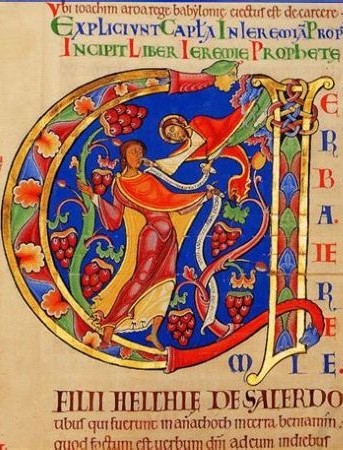
The architecture, manuscript illumination and music of medieval England are among the greatest achievements of any period of English cultural history. The aim of this lecture is to open a window onto this remarkable world to capture something of the essence of its Romanesque and Gothic cathedrals, its equally rich span of manuscript illumination, both […]
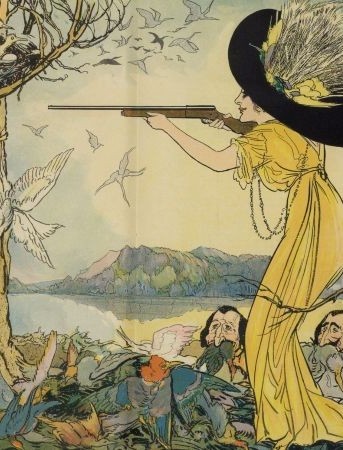
When social historian Tessa Boase told the Royal Society for the Protection of Birds she wanted to write their early story, they refused to let her visit their archives. To a former investigative journalist, this was a challenge she could not resist. This lecture shines a light on the intriguing story of women’s love affair […]
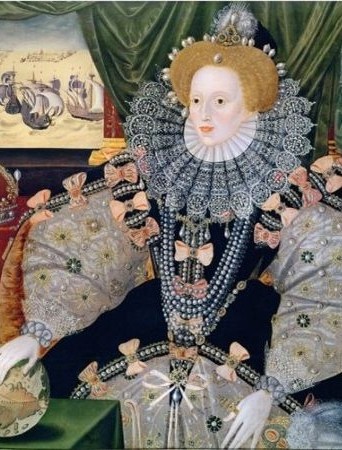
Elizabeth I was the most remarkable woman of a remarkable age. Her reign was one of the great creative periods of English history – literature, music, art, architecture and overseas exploration all reached unprecedented heights. With reference to architecture and gardens, this lecture will focus chiefly on the portraits, miniatures and music of Elizabeth’s court. […]
Elizabeth I was the most remarkable woman of a remarkable age. Her reign was one of the great creative periods of English history – literature, music, art, architecture and overseas exploration all reached unprecedented heights. With reference to architecture and gardens, this lecture will focus chiefly on the portraits, miniatures and music of Elizabeth’s court. […]
Working as a housekeeper was one of the most prestigious jobs a 19th and early 20th century woman could want, and also one of the toughest. A far cry from the Downton Abbey fiction, the real-life housekeeper was up against capricious mistresses, low pay, no job security and gruelling physical labour. Until now, her story […]
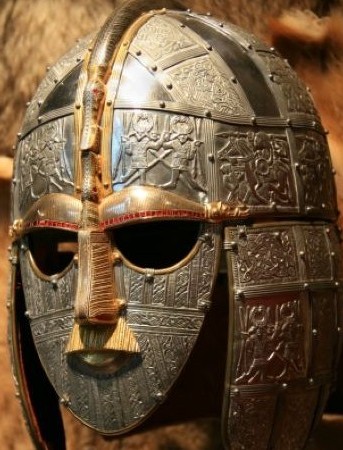
In the early seventh century a great ship was dragged ashore from the River Deben in Suffolk. This became the resting place of a powerful Anglo-Saxon warlord, buried with a mound of treasures from all over the known world. Fine weaponry, gold coins and exquisitely crafted jewellery revealed levels of sophistication which were a revelation. The aim of the lecture is to examine the finds in […]
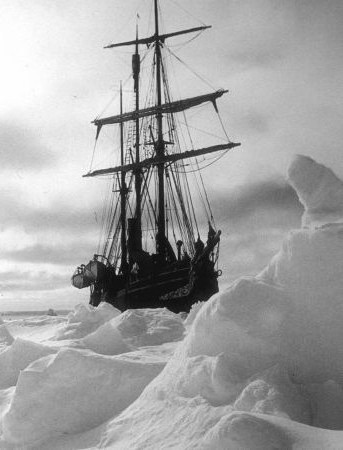
On Ernest Shackleton’s third Antarctic expedition in 1914, his ship, the Endurance, was trapped, eventually crushed in pack ice. After five months on the ice, the ship’s company rowed to remote Elephant Island. Shackleton then sailed with five companions over 800 miles to South Georgia, returning over three months later to rescue his stranded crew. […]
When social historian Tessa Boase told the Royal Society for the Protection of Birds she wanted to write their early story, they refused to let her visit their archives. To a former investigative journalist, this was a challenge she could not resist. This lecture shines a light on the intriguing story of women’s love affair […]
Working as a housekeeper was one of the most prestigious jobs a 19th and early 20th century woman could want – and also one of the toughest. A far cry from the Downton Abbey fiction, the real-life housekeeper was up against capricious mistresses, low pay, no job security, and gruelling physical labour. Delving into secret […]
On Ernest Shackleton’s third Antarctic expedition in 1914, his ship, the Endurance, was trapped, eventually crushed in pack ice. After five months on the ice, the ship’s company rowed to remote Elephant Island. Shackleton then sailed with five companions over 800 miles to South Georgia, returning over three months later to rescue his stranded crew. […]
When social historian Tessa Boase told the Royal Society for the Protection of Birds she wanted to write their early story, they refused to let her visit their archives. To a former investigative journalist, this was a challenge she could not resist. This lecture shines a light on the intriguing story of women’s love affair […]
When social historian Tessa Boase told the Royal Society for the Protection of Birds she wanted to write their early story, they refused to let her visit their archives. To a former investigative journalist, this was a challenge she could not resist. This lecture shines a light on the intriguing story of women’s love affair […]
On Ernest Shackleton’s third Antarctic expedition in 1914, his ship, the Endurance, was trapped, eventually crushed in pack ice. After five months on the ice, the ship’s company rowed to remote Elephant Island. Shackleton then sailed with five companions over 800 miles to South Georgia, returning over three months later to rescue his stranded crew. […]
On Ernest Shackleton’s third Antarctic expedition in 1914, his ship, the Endurance, was trapped, eventually crushed in pack ice. After five months on the ice, the ship’s company rowed to remote Elephant Island. Shackleton then sailed with five companions over 800 miles to South Georgia, returning over three months later to rescue his stranded crew. […]
Mr Gamage, Mr Selfridge & co created palaces for the coming generation. We look at the colourful human stories behind those famous facades, from the powerful men at the top to the humble shop assistants sleeping like sardines in the attics. Behind the facades of some of London’s best-known ‘houses’, life’s dramas are playing out. […]
The architecture, manuscript illumination and music of medieval England are among the greatest achievements of any period of English cultural history. The aim of this lecture is to open a window onto this remarkable world to capture something of the essence of its Romanesque and Gothic cathedrals, its equally rich span of manuscript illumination, both […]
PART 1: Robert Scott, Roald Amundsen and the Race to the South Pole. With the help of the evocative photographs of Scott’s photographer, Herbert Ponting, and some of Edward Wilson’s watercolours, this session focuses on the Heroic Age of Antarctic exploration, in particular, the journeys by Scott and his rival, Amundsen to be first at […]
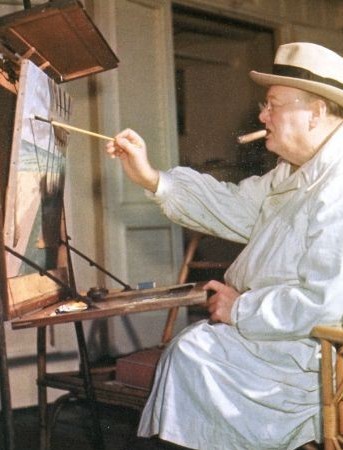
From the 1890s to the 1960s, Winston Churchill’s life was captured in countless photographs. A prolific writer and speechmaker, the definitive edition of his speeches alone runs to four volumes. A successful and enthusiastic artist, he produced some 500 paintings in over five decades. Churchill was a complex and sensitive man of many parts and […]
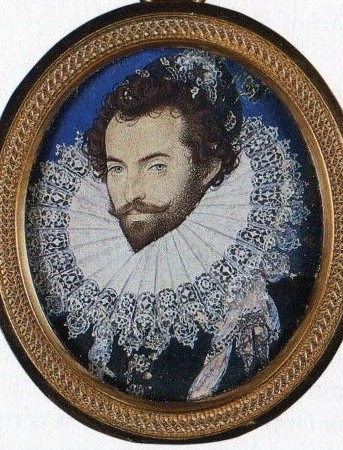
The Tudor court comes vividly to life through the works of Hans Holbein, under Henry VIII, and Nicholas Hilliard, under Elizabeth I. Together, they transformed the English art scene. Holbein set new standards in portraiture with his powerful drawings and delicate miniatures. Hilliard established the miniature as “England’s greatest contribution to the art of the […]
Elizabeth I was the most remarkable woman of a remarkable age. Her reign was one of the great creative periods of English history – literature, music, art, architecture and overseas exploration all reached unprecedented heights. With reference to architecture and gardens, this lecture will focus chiefly on the portraits, miniatures and music of Elizabeth’s court. […]
Working as a housekeeper was one of the most prestigious jobs a 19th and early 20th century woman could want, and also one of the toughest. A far cry from the Downton Abbey fiction, the real-life housekeeper was up against capricious mistresses, low pay, no job security and gruelling physical labour. Until now, her story […]
When social historian Tessa Boase told the Royal Society for the Protection of Birds she wanted to write their early story, they refused to let her visit their archives. To a former investigative journalist, this was a challenge she could not resist. This lecture shines a light on the intriguing story of women’s love affair […]
When social historian Tessa Boase told the Royal Society for the Protection of Birds she wanted to write their early story, they refused to let her visit their archives. To a former investigative journalist, this was a challenge she could not resist. This lecture shines a light on the intriguing story of women’s love affair […]
On Ernest Shackleton’s third Antarctic expedition in 1914, his ship, the Endurance, was trapped, eventually crushed in pack ice. After five months on the ice, the ship’s company rowed to remote Elephant Island. Shackleton then sailed with five companions over 800 miles to South Georgia, returning over three months later to rescue his stranded crew. […]
From the 1890s to the 1960s, Winston Churchill’s life was captured in countless photographs. A prolific writer and speechmaker, the definitive edition of his speeches alone runs to four volumes. A successful and enthusiastic artist, he produced some 500 paintings in over five decades. Churchill was a complex and sensitive man of many parts and […]
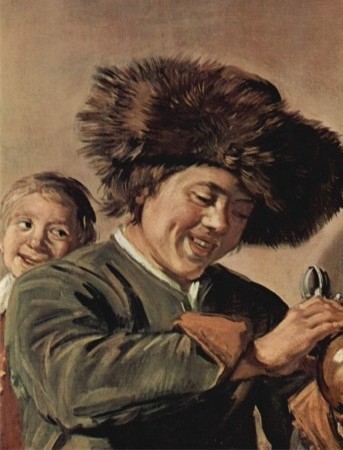
Comical paintings were abundant in the Dutch Golden Age genre paintings depicting people and animals misbehaving, being silly, naughty and laughing out loud. Some of these paintings represented common sayings, while others were created as moral lessons. However, they also coincided with a belief by contemporary doctors of the 17th century that laughing was good […]
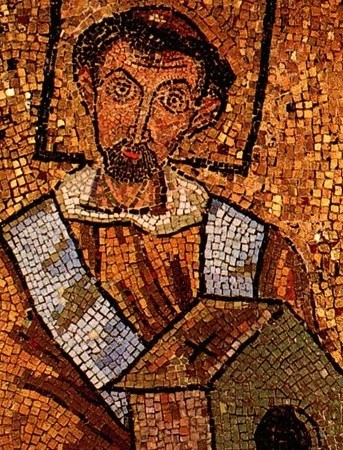
A language of symbols developed so that artists could tell stories which would be instantly understandable for an audience who was often illiterate. Even though still used today, modern audiences have lost the ability to recognise and decode. Dates and Locations Thursday 3 September 2026 Chatswood (NSW) Click on your preferred location above for more […]
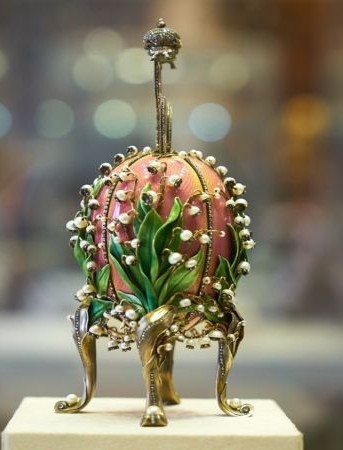
“Fabergé” conjures up images of pre-revolutionary Russia, opulent Easter eggs and exquisite pieces found in the most important world collections. This presentation analyses the use of naturalism by Fabergé, focusing on lesser-known experiments in Art Nouveau, as well as animal representations in hardstone carvings and flower studies. It also highlights the naturalistic imagery incorporated into […]
This lecture traces the story of the intrepid Victorian lady traveller, Isabella Bird, who set out to see the world and brought glimpses of it back to her readership at home. Isabella Bird’s fascinating written accounts of her globetrotting adventures from the 1850s offer insights into some of the challenges faced by women travellers in […]